The Quote Follow-Up Call Method
A proven 3-step phone script for following up on pending estimates and converting more quotes into booked jobs.
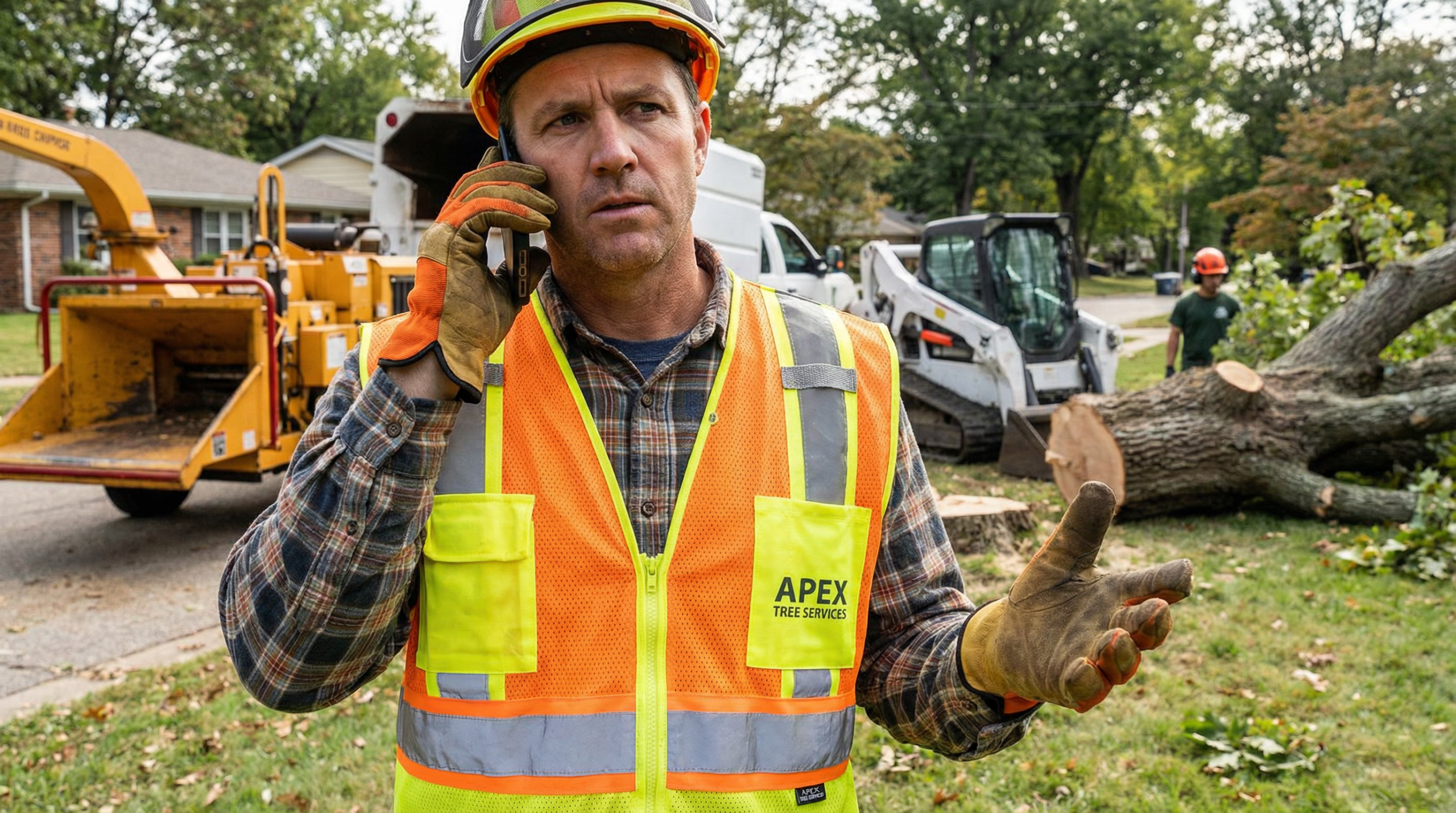
Why Most Tree Service Companies Lose Jobs They Should Win
The average tree service company sends out a quote and then waits. If the client doesn’t call back within a week, the job is written off as lost. But research across service industries shows that 80% of sales require five or more follow-up contacts — and most salespeople give up after one.
In tree service, the follow-up call is one of the highest-ROI activities you can do. A 10-minute call can recover a $2,000 job that would otherwise have gone to a competitor.
When to Call: The 48-Hour Rule
The ideal follow-up window is 48–72 hours after the estimate is sent. Call too soon (same day) and you seem desperate. Wait too long (more than a week) and the client has already booked someone else.
Set a reminder the moment you send the quote. If you use job management software, most platforms have a follow-up reminder feature. If not, a simple phone calendar reminder works fine.
The 3-Step Follow-Up Script
Keep the call short, confident, and focused on their needs:
- Open with context: “Hi [Name], this is [Your Name] from [Company]. I sent you an estimate for the [tree removal/trimming] at [address] a couple of days ago — just wanted to make sure you received it and see if you had any questions.”
- Handle the pause: If they say they’re still deciding, ask: “Is there anything about the scope or pricing I can clarify for you?” This opens the conversation without pressure.
- Create soft urgency: “We do have a crew available [next week / early next month] — if the timing works for you, I can get you on the schedule now.”
Never pressure. Never discount immediately. Just be helpful and available.
Handling Common Objections
The three most common objections you’ll hear on a follow-up call:
- “We’re still getting other quotes.” Response: “That makes sense — it’s a big job. Is there anything about our quote that you’d like me to explain or adjust?”
- “It’s a bit more than we expected.” Response: “I understand. Can I ask what you were expecting? I want to make sure we’re comparing apples to apples — our price includes [insurance, cleanup, stump grinding, etc.].”
- “We’re not ready yet.” Response: “No problem at all. When would be a good time for me to check back in?” Then actually follow up on that date.
Tracking Your Follow-Up Rate and Conversion
If you’re not tracking your quote-to-booking conversion rate, you’re flying blind. A simple spreadsheet with columns for: Quote Date, Client Name, Quote Amount, Follow-Up Date, Outcome (Booked / Lost / Pending) will give you the data you need to improve.
Industry average conversion rate for tree service quotes is around 30–40%. If yours is below 25%, your follow-up process is the first place to look. If it’s above 50%, you’re doing something right — document it and train your team on it.